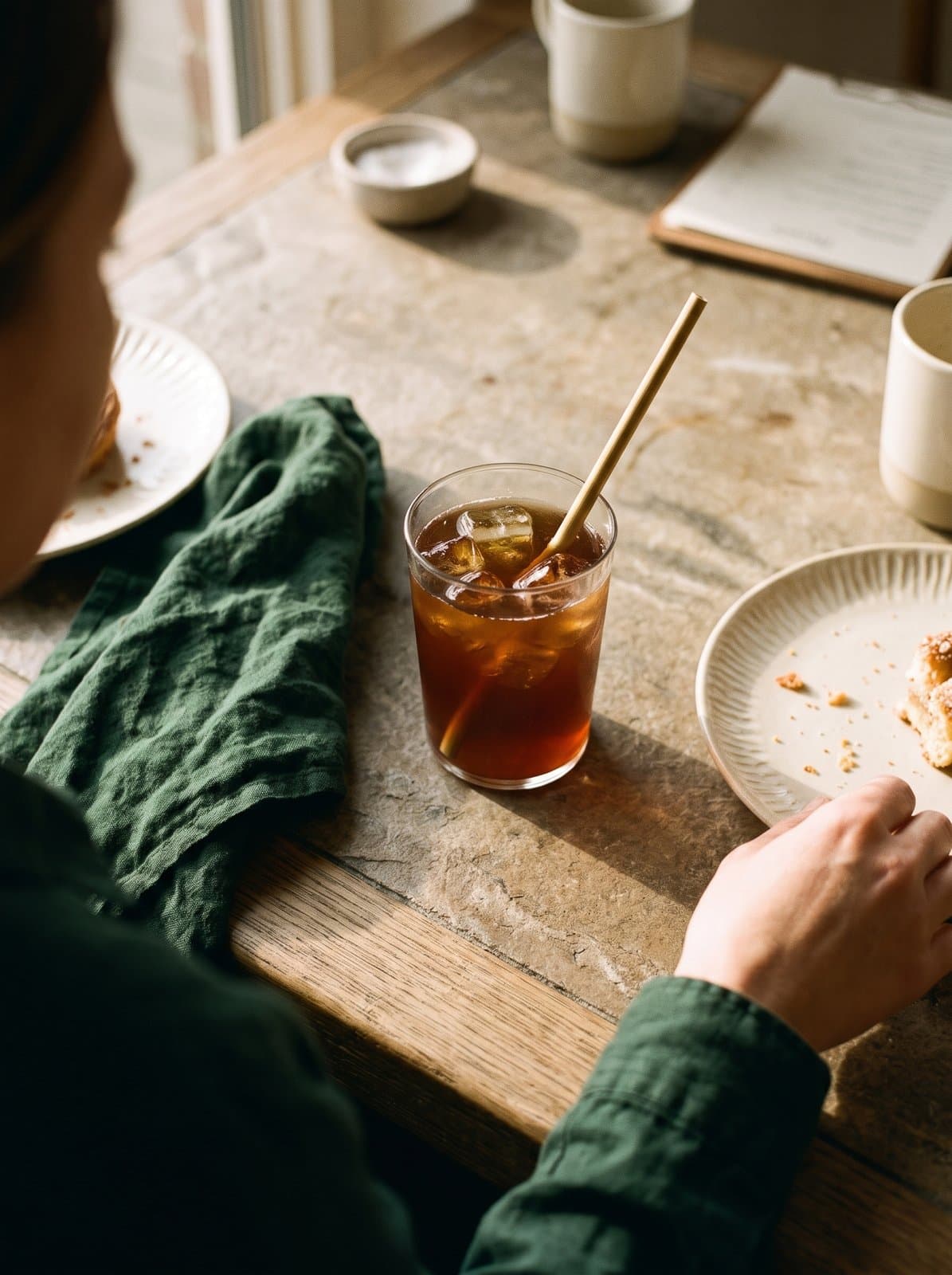
Dine-in operations
Dine-in plastic rules: reuse first, or disposable non-plastic? Lined paper bowls can still draw a fine
A bowl that looks like paper can still breach dine-in rules if it has a plastic coating inside. In November 2026, a Sham Shui Po noodle shop that served dine-in meals in disposable paper bowls with a plastic coating was fined HK$2,000 after a reminder and no improvement on re-inspection—then switched to reusable tableware and hired dishwashing staff. This page uses that public case and official explainers to help managers separate coating/lining rules, dine-in vs takeaway differences, the “reuse first, then non-plastic disposable” hierarchy, and where straws sit when disposable is unavoidable. It is not legal advice; rely on the latest EPD / green tableware information.
Sham Shui Po noodle shop: dine-in plastic-lined paper bowls, HK$2,000 fine
According to 9up Daily (1 Nov 2026): a Sham Shui Po shop selling noodle soup provided disposable paper bowls for dine-in. EPD reminded the shop that the bowls had a plastic coating and were non-compliant. The shop had planned to finish existing stock before switching; on re-inspection there was no improvement, and a HK$2,000 fine followed.
Staff member Miss Chan said it was hard to tell by herself whether a coating was compliant; to avoid another fine, the shop moved dine-in to reusable tableware and hired dishwashing staff. The report also notes that phase 1 already restricts items such as EPS foam tableware and plastic forks/knives; plastic cups and bowls may still be used for takeaway; and paper bowls with an internal plastic coating are treated as non-compliant.
It is fair to admit that naked-eye checks struggle to tell a water-based coating from a plastic lining. Official definitions already include coatings/linings as regulated plastic; distinction is via testing or composition analysis, not the naked eye. This page does not scare or mock the shop—it asks what a manager should decide after a reminder, using public rules and floor reality.
“Paper” does not mean “no plastic”: coatings and linings count
The green tableware About page states that disposable plastic tableware means items made wholly or partly of plastic. Controlled materials include conventional plastics, oxo-degradable plastics, biodegradable plastics (e.g. PLA, PHB), and plastic linings (e.g. PE lining, PLA lining).
A LegCo written reply (7 May 2025) likewise says that if disposable tableware is made wholly or partly of plastic—including plastic coating—it is regulated; testing or composition analysis can tell the difference. Where paper tableware is suspected of containing plastic during inspection, EPD may sample for lab testing and notify the shop to switch.
On 27 Jul 2026, TVB cited EPD clarifying that disposable food containers that are paper outside with a plastic lining inside cannot be used for dine-in, but may still be used for takeaway; stalls at Elements (West Kowloon) were told to replace paper bowls in full. SCMP (28 Jul 2026) reported a 23 Jul inspection at the West Kowloon Centre food court in Sham Shui Po, with multiple stalls warned.
So the November HK$2,000 fine is the same “lining = plastic” rule landing after re-inspection without improvement—not a new law. A useful self-question: if your dine-in still uses “paper bowls / paper cups,” do you know whether the inner layer is a water-based coating or a plastic lining? Do you have paperwork, or only a supplier’s verbal “eco paper” claim?
Compare
Dine-in vs takeaway: containers and straws are not the same rule (phase-1 public explainers)
| Item (phase-1 public explainers) | Dine-in | Takeaway |
|---|---|---|
| Disposable plastic food containers / paper-outside plastic-lined food containers | Not for dine-in (EPD via TVB, Jul 2026) | Still allowed (same; reports also note plastic cups/bowls for takeaway) |
| Disposable plastic straws | Catering premises must not provide to customers | Likewise must not provide to customers |
| Reusable tableware / straws | Officially encouraged first | Borrow / BYO may be options |
| Non-plastic disposable (no plastic coating; verified paper / bamboo / plant fibre, etc.) | Only when disposable is unavoidable | Only when disposable is unavoidable |
Readers often mis-apply “lined paper bowls are still OK for takeaway” to “plastic straws are OK for takeaway too”—they are not. Straws are already a regulated disposable plastic tableware category in phase 1. This table only summarises phase-1 public explainers; it is not a legal conclusion. Follow the latest EPD notices. Phase 2 currently has no implementation timetable (LegCo, 7 May 2025).
Official hierarchy: reuse first; non-plastic disposable only when unavoidable
Green tableware FAQ Q6: in principle reduce at source—use reusable tableware as far as possible and avoid any disposable tableware; only when disposable use is unavoidable should greener non-plastic options replace it. Common non-plastic disposables include paper, bamboo, cork, and plant-fibre materials (e.g. wood pulp, grass pulp, bagasse).
The About page on alternatives also encourages catering businesses to provide reusable tableware for dine-in customers where possible; common reusable materials include stainless steel, glass, and melamine-style ware; customers may bring their own.
The Sham Shui Po ending—dishwashing plus extra staff—is exactly the official priority hitting a small shop’s cost base. The compliance direction is clear; sink space, labour, and peak table turns are real. This page does not bash reusables. Ask: is your bottleneck the dishwashing station, or stock that “looks like paper” with an unknown lining?
When disposable is unavoidable: where straws sit (including bulrush)
When is disposable “unavoidable” in practice? Common situations include peak periods that outrun washing, stalls without a wash station, takeaway drinks, large events, and guests who will not BYO. These are operational descriptions, not legal definitions. In those cases, choose verified non-plastic disposables—not “paper-feel” products that still carry a plastic lining.
Reusable straws (metal / glass, etc.) fit dine-in where washing and retrieval work; budget for loss, hygiene, and staff training. Paper straws are a common non-plastic disposable; watch soak-softening and odour on the floor—see the paper vs bulrush guide for a deeper compare, and the Korea disposable-straw LCA survey for one-line life-cycle context.
Bulrush straws: 100% natural bulrush stems (Lepironia articulata) in the non-plastic plant-fibre direction; soak over 24 hours; diameter about 6–8 mm; natural colour/diameter variation; suitable for hot and cold drinks. Honestly: they remain disposable and do not replace the reusable tier. They fit occasions where disposable is unavoidable and you want a plant-stem, soak-tolerant option. Compliance narrative follows official sources and the green tableware platform (registration C02574-P00001—verify yourself). See “What is a bulrush straw?” for definition, and the Hong Kong wholesale eco-straws guide for ordering paths.
Some tubes are marketed as both reusable and degradable—treat cleaning workflows and whether the design is still disposable as separate questions; this site has no dedicated page yet. Aggregate penalty totals are not restated here—see the Hong Kong plastic-ban straw alternatives guide.
Paper vs bulrush: which to chooseHong Kong plastic-ban straw alternatives / penaltiesWhat is a bulrush straw?Wholesale eco straws: MOQ, delivery, how to orderProduct specsRetail order (500 pcs)Official green tableware registration (bulrush straw)Sunshine Straw homeContact / WhatsApp
Manager self-check after a reminder
After a written reminder or a news story about inspections, work through these questions—this page does not promise that following it will “pass inspection.”
- What bowls / cups / straws are you using for dine-in now? Do you have written composition from the supplier, or only an “eco paper” slogan?
- Have you checked registered non-plastic disposables on the green tableware platform? A LegCo reply cites EPD enquiry hotline 2838 3111—quoted only as it appears there, not as a Sunshine Straw service.
- If you already have a written warning: the public flow is improve within a deadline (LegCo cites about 10 working days); if still unresolved, a HK$2,000 fixed penalty may follow. This case was reminder → plan to finish stock → re-inspection without change → HK$2,000. Full flow and public totals: plastic-ban alternatives guide—not restated here.
- Phase 2 (e.g. food/soup containers) currently has no implementation timetable—see the LegCo reply of 7 May 2025; this page does not predict a date.
- Is the bottleneck dishwashing / labour, or “paper-feel” stock? Then decide reuse-first, or verified non-plastic disposables only when disposable is unavoidable.
Paper vs bulrush: which to chooseHong Kong plastic-ban straw alternatives / penaltiesWhat is a bulrush straw?Wholesale eco straws: MOQ, delivery, how to orderProduct specsRetail order (500 pcs)Official green tableware registration (bulrush straw)Sunshine Straw homeContact / WhatsApp
References
Sources
- 9up Daily (1 Nov 2026): Sham Shui Po dine-in plastic-lined paper bowl fine
- TVB (27 Jul 2026): EPD on paper bowls with plastic lining, dine-in vs takeaway
- SCMP (28 Jul 2026): West Kowloon Centre food-court inspection warnings
- GovHK press release: LegCo written reply (7 May 2025)
- Green tableware FAQ
- Green tableware About
Questions
FAQ
If a paper bowl has a plastic coating, is dine-in use non-compliant?
Public reporting and EPD explainers say disposable tableware made wholly or partly of plastic—including an internal plastic coating/lining on paper bowls—is regulated disposable plastic tableware; such containers are not for dine-in. The Sham Shui Po noodle-shop case shows a HK$2,000 fine after reminder without improvement. Public sources only—not legal advice.
Is every find an immediate HK$2,000 fine?
The public flow is usually a written warning/reminder first, with time to improve; a HK$2,000 fixed penalty may follow if there is still no improvement. This case was fined after a plan to finish stock and a re-inspection without change. Totals and fuller figures: plastic-ban alternatives guide.
Can takeaway still use lined paper bowls / plastic bowls?
Per TVB (Jul 2026) citing EPD: paper-outside plastic-lined disposable food containers cannot be used for dine-in but may still be used for takeaway; reports also note plastic cups/bowls for takeaway. Follow the latest official notices.
Can disposable plastic straws still be given with takeaway?
Do not conflate the rules: under phase 1, catering premises must not provide disposable plastic straws to dine-in or takeaway customers. Follow the latest EPD notices.
Should dine-in prioritise reusable or disposable non-plastic?
Green tableware FAQ Q6: reduce at source—reuse first and avoid any disposable; only when disposable is unavoidable, use non-plastic alternatives.
Are bulrush straws reusable? When do they fit?
No—they are a disposable plant-stem option (100% Lepironia articulata; soak over 24 hours; diameter about 6–8 mm). They fit when disposable is unavoidable and you want a plant-stem experience; compliance follows official sources and green-tableware registration (C02574-P00001—verify yourself).
Clarify the hierarchy—then decide dishwashing or a verified switch.
This page separates coatings/linings, dine-in vs takeaway, and straw rules; compliance follows EPD and the green tableware platform. If disposable is unavoidable and you want bulrush specs or a sample, ask on WhatsApp (no fixed MOQ/price here). Penalty totals: plastic-ban alternatives guide. IG @sunshinestrawhk.