About
From bulrush to straw
晴管 (Sunshine Straw) introduced bulrush straws in Hong Kong so food service has an option that can return to the soil. The process and the plant are below, in the order a buyer actually needs.
The plant
What the bulrush is
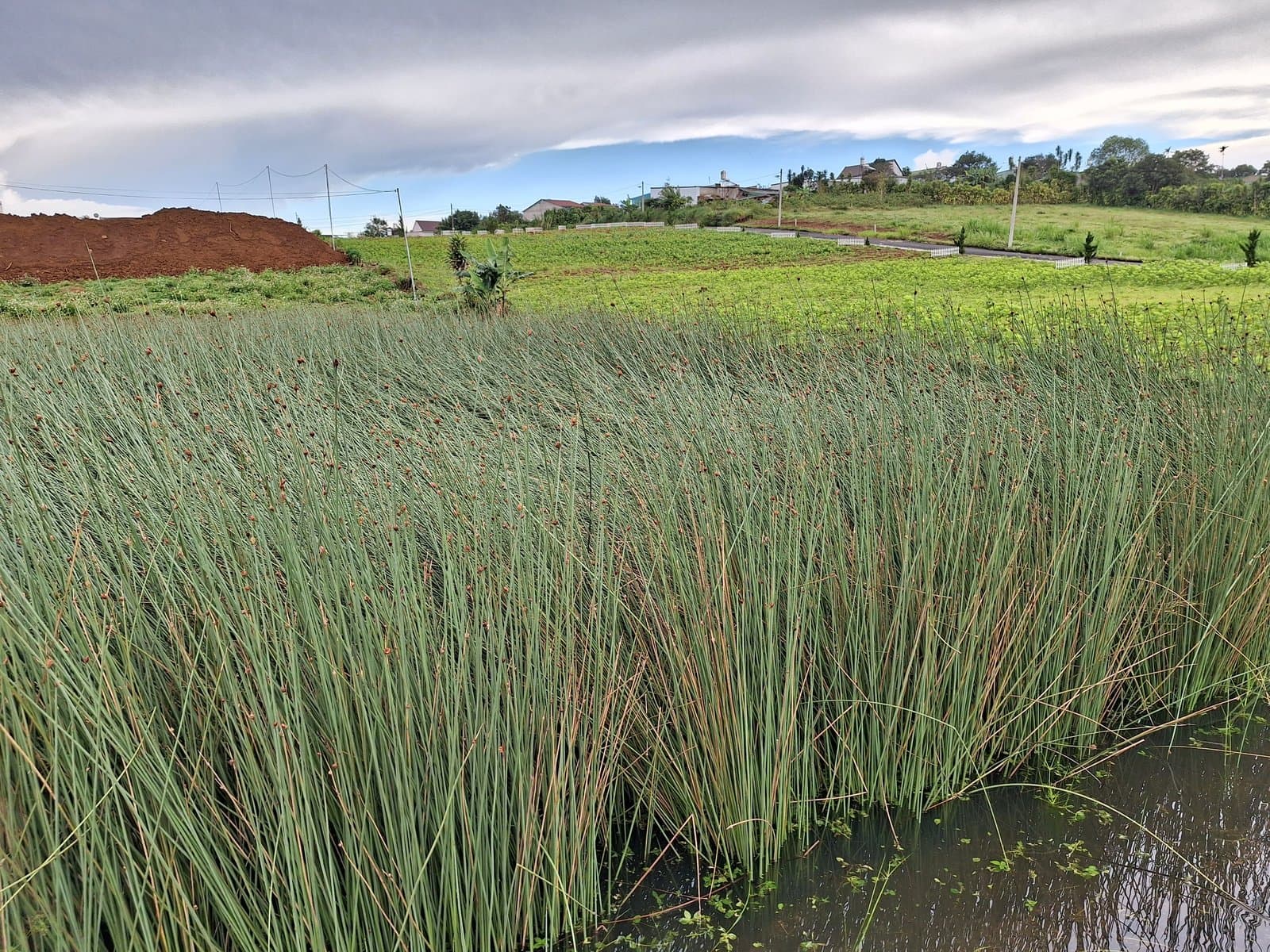
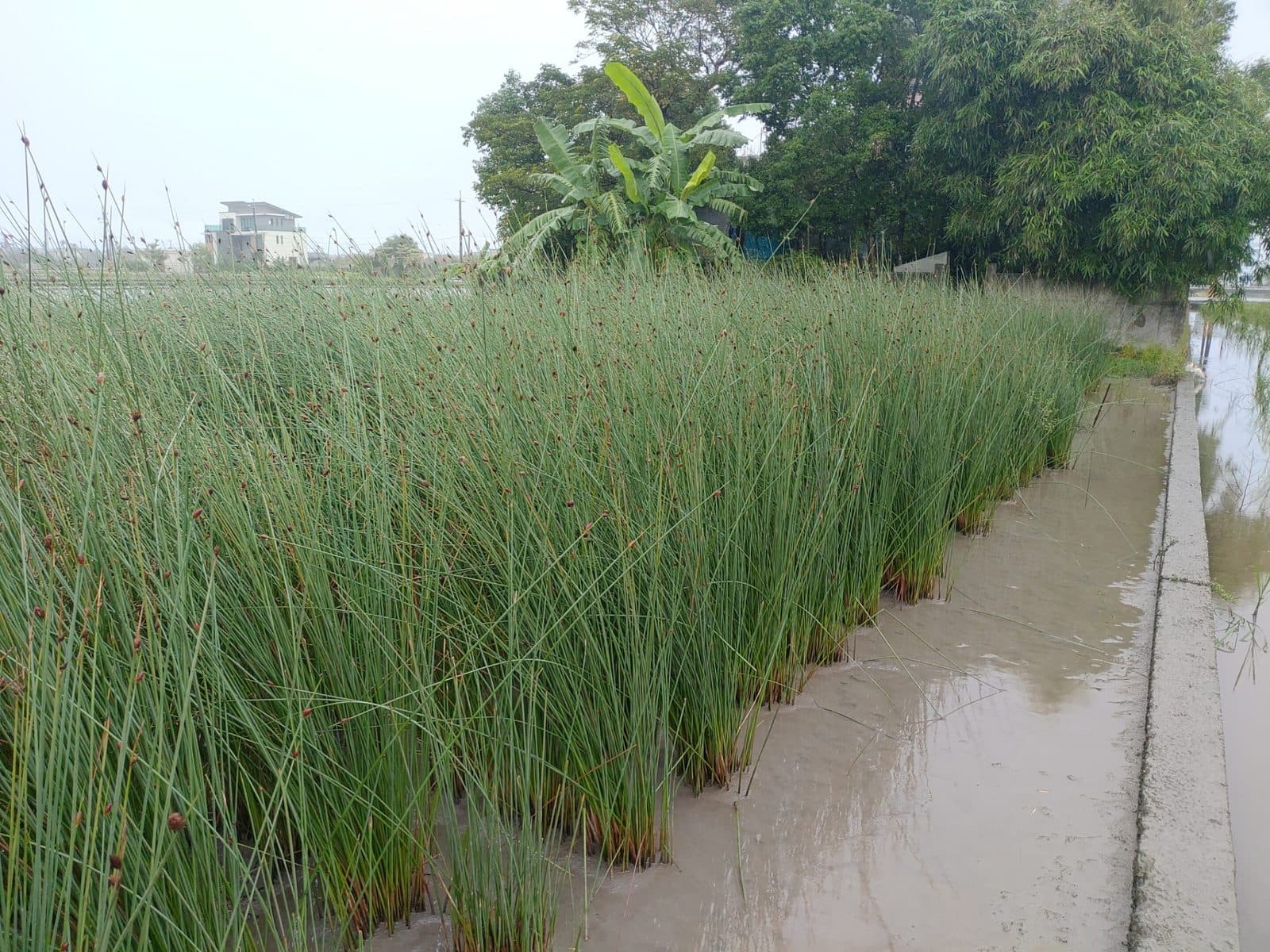
Lepironia articulata
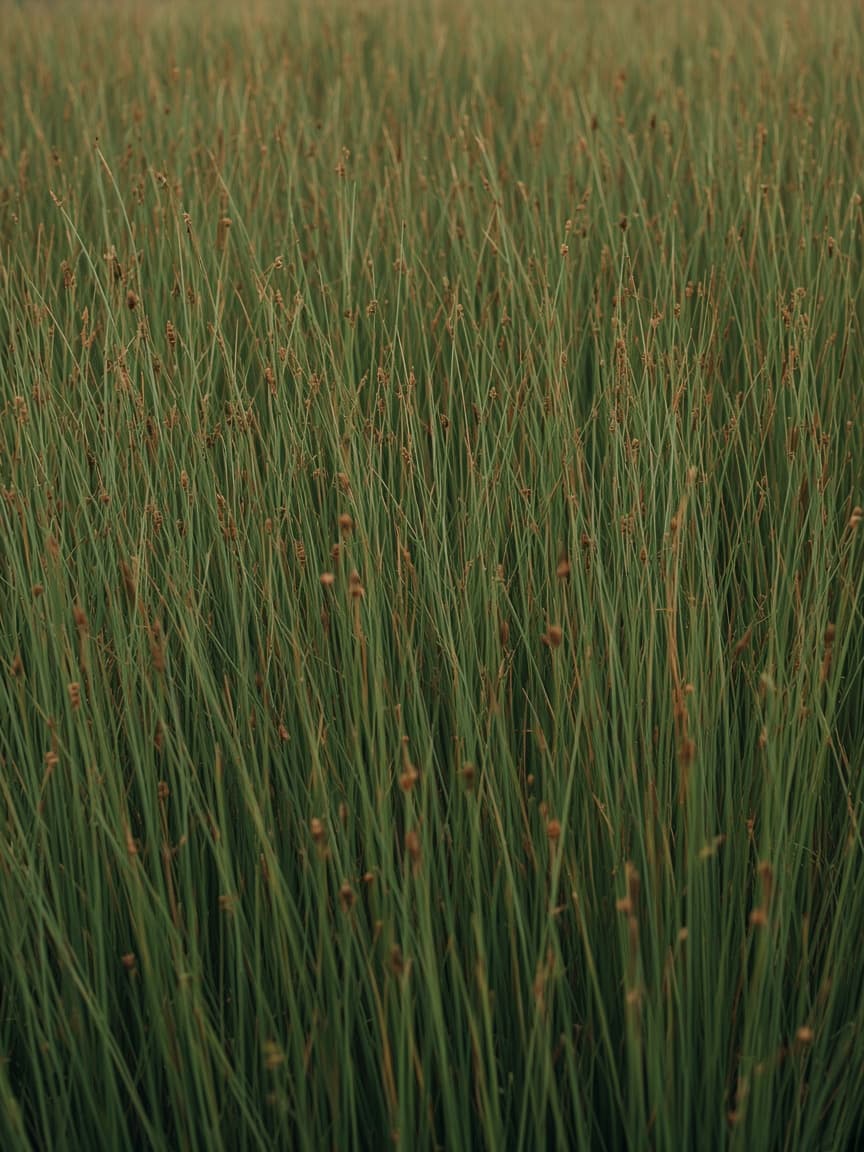
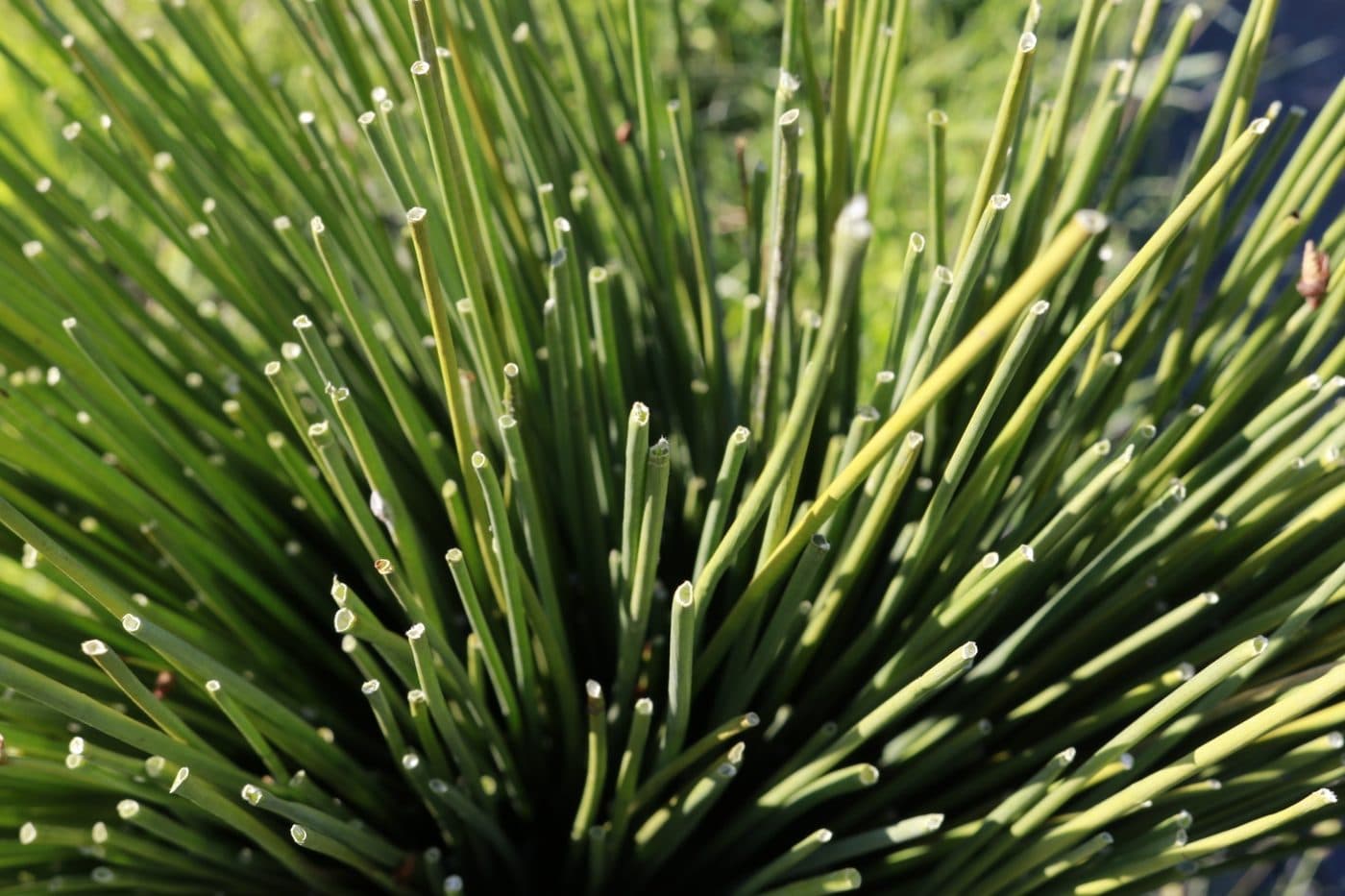
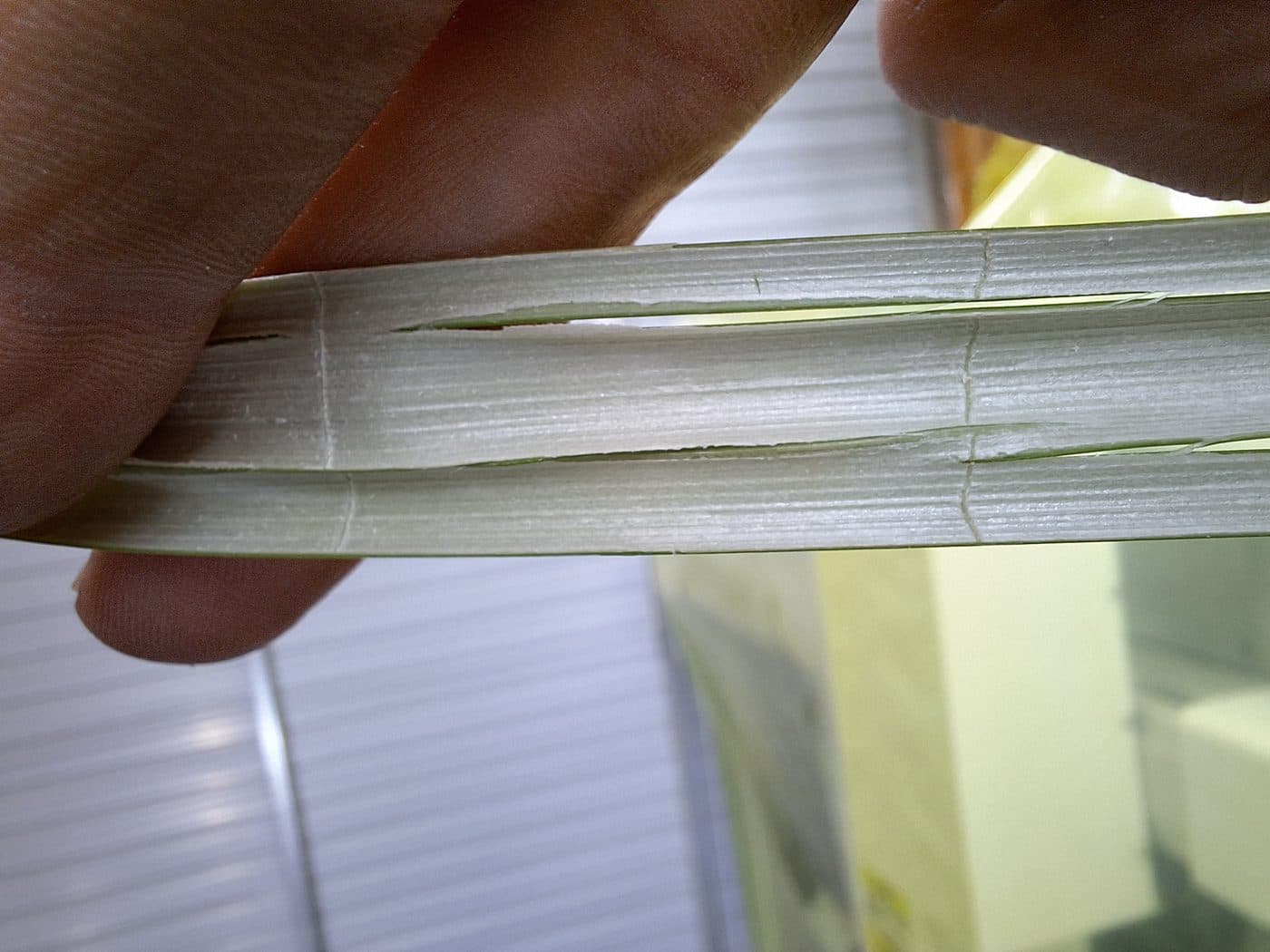
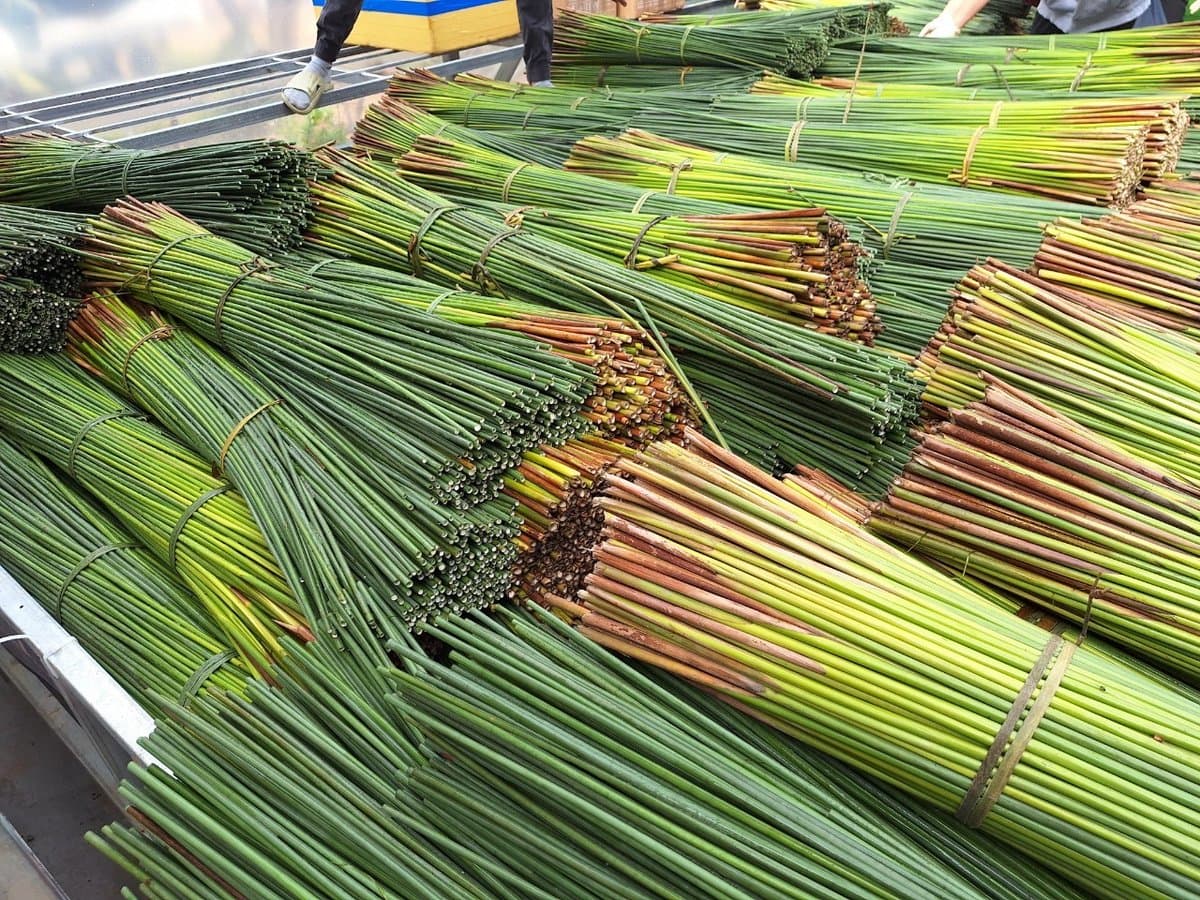
Each straw is a cut stem. The plant is a perennial wetland species, about 2.5 m tall, at home in the tropics and subtropics, with a growth cycle of about 9–10 months. The stem is firm and hollow. Once it is dry, it is already a straw.
Hollow
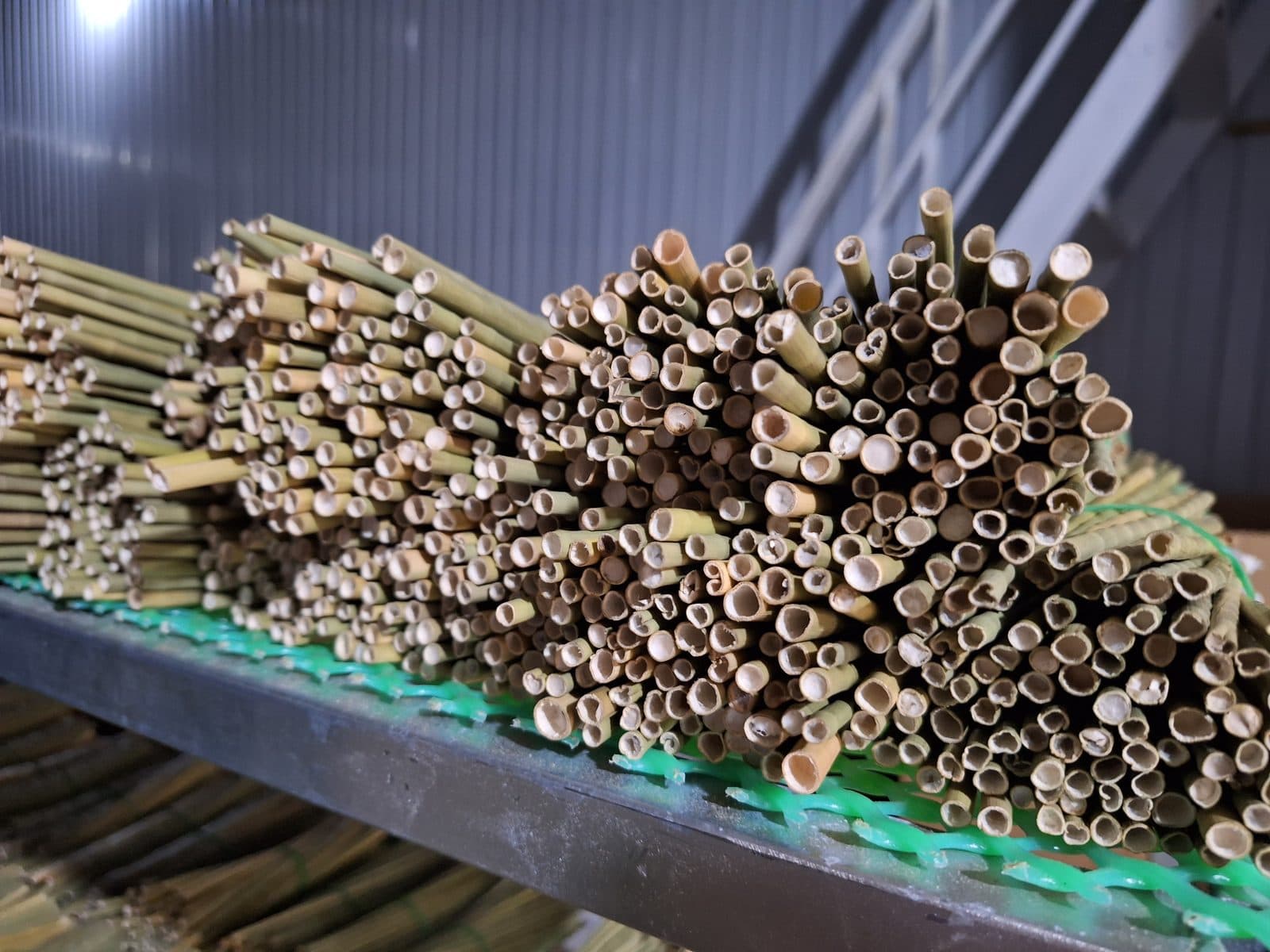
The stem is naturally hollow and a workable width, so it needs little reshaping.
Tough
A distinctive material, firm and durable, that can soak for more than 24 hours.
Water-resistant
The stem resists water enough to keep its shape through a drink.
Low-input
A perennial about 2.5 m tall, for tropical and subtropical wetlands, with little need for fertiliser.
Undyed
No extra bleach or dye. The natural color stays.
Breaks down
About 3–6 months to return to the ground.
In the hand
The plant texture stays. It feels natural and is not slippery.
Growth
A cycle of about 9–10 months, so supply can stay steady.
How they are made
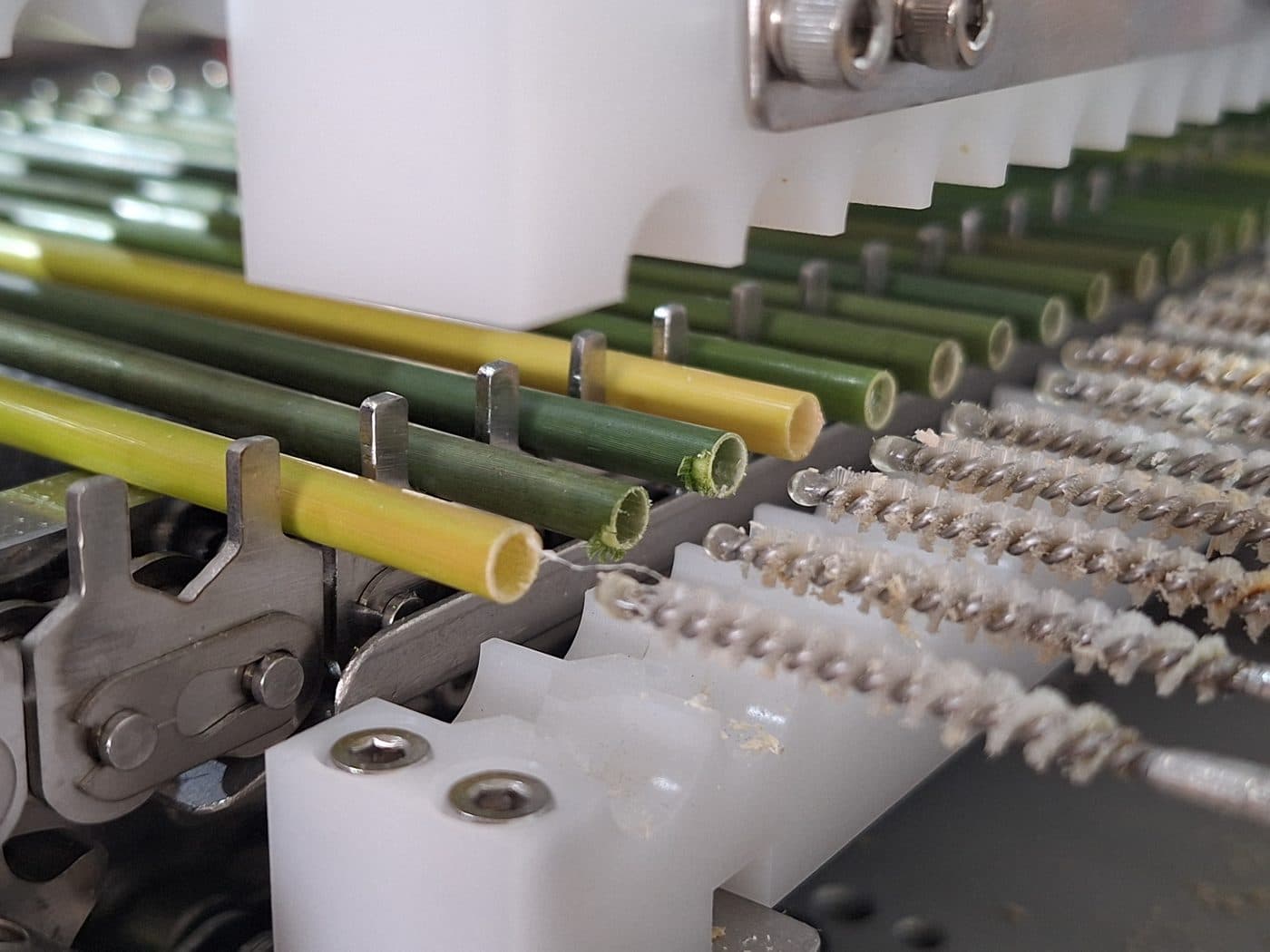
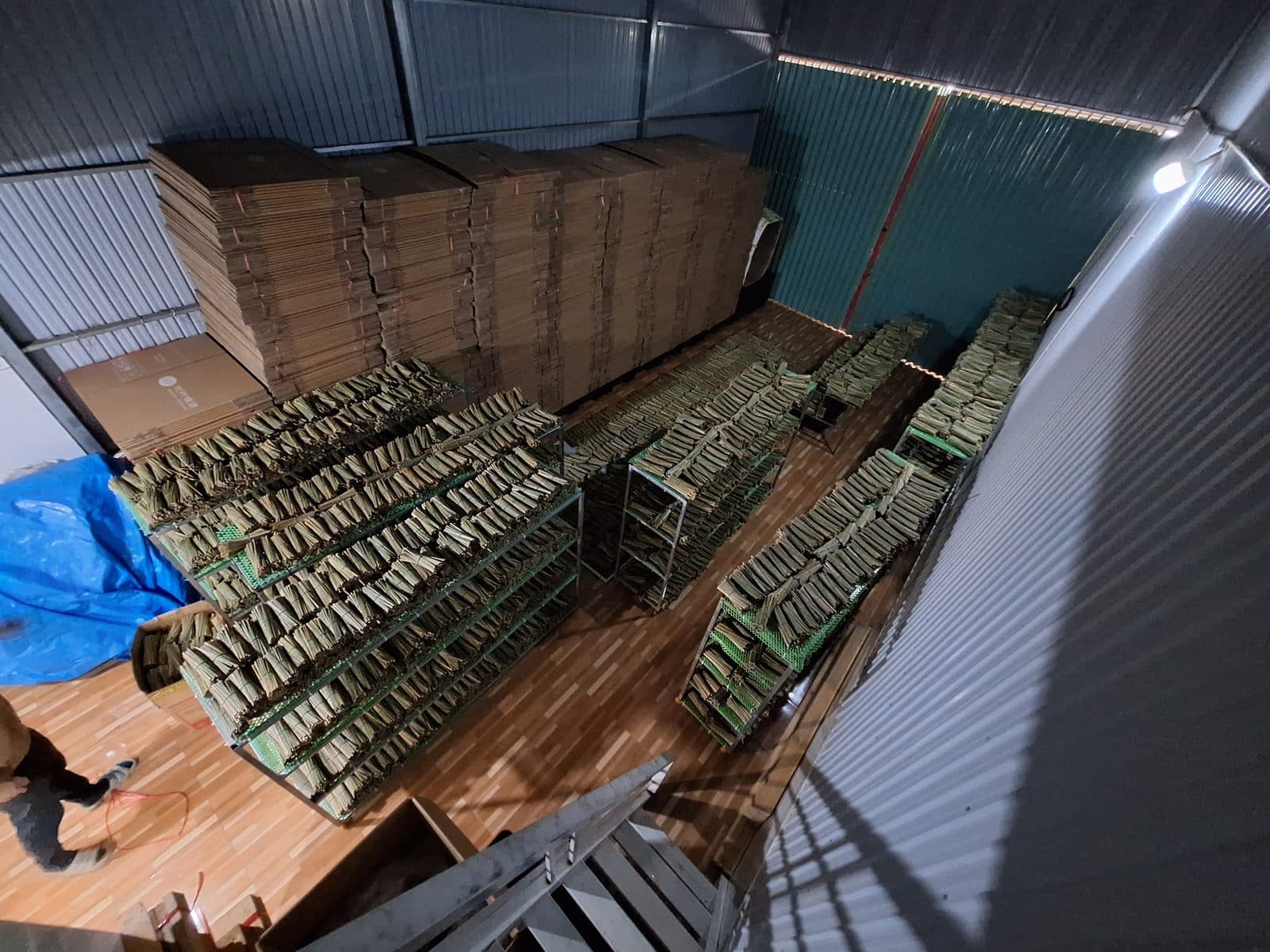
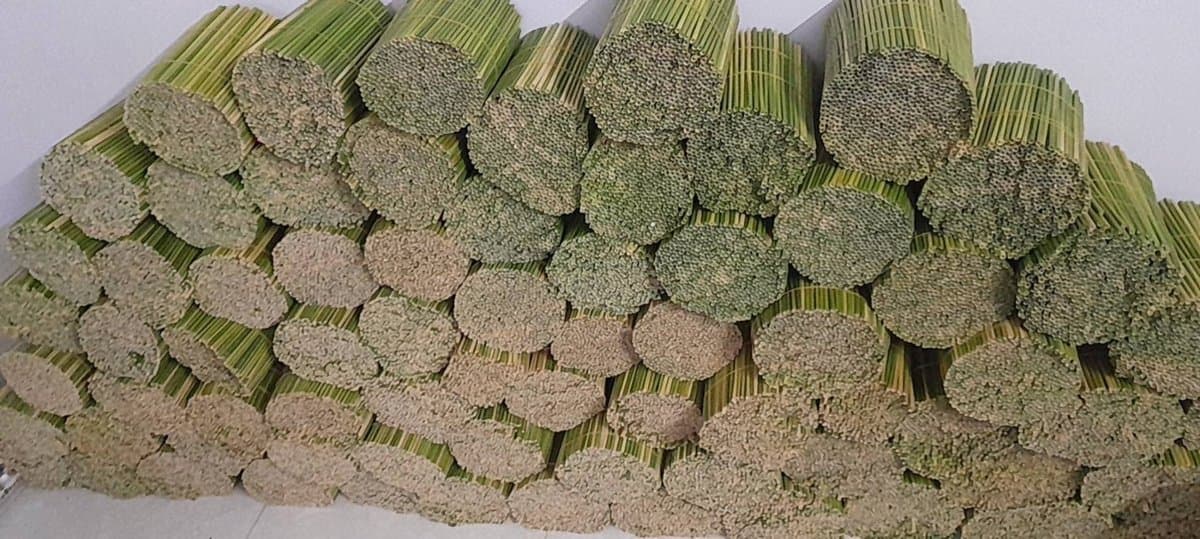
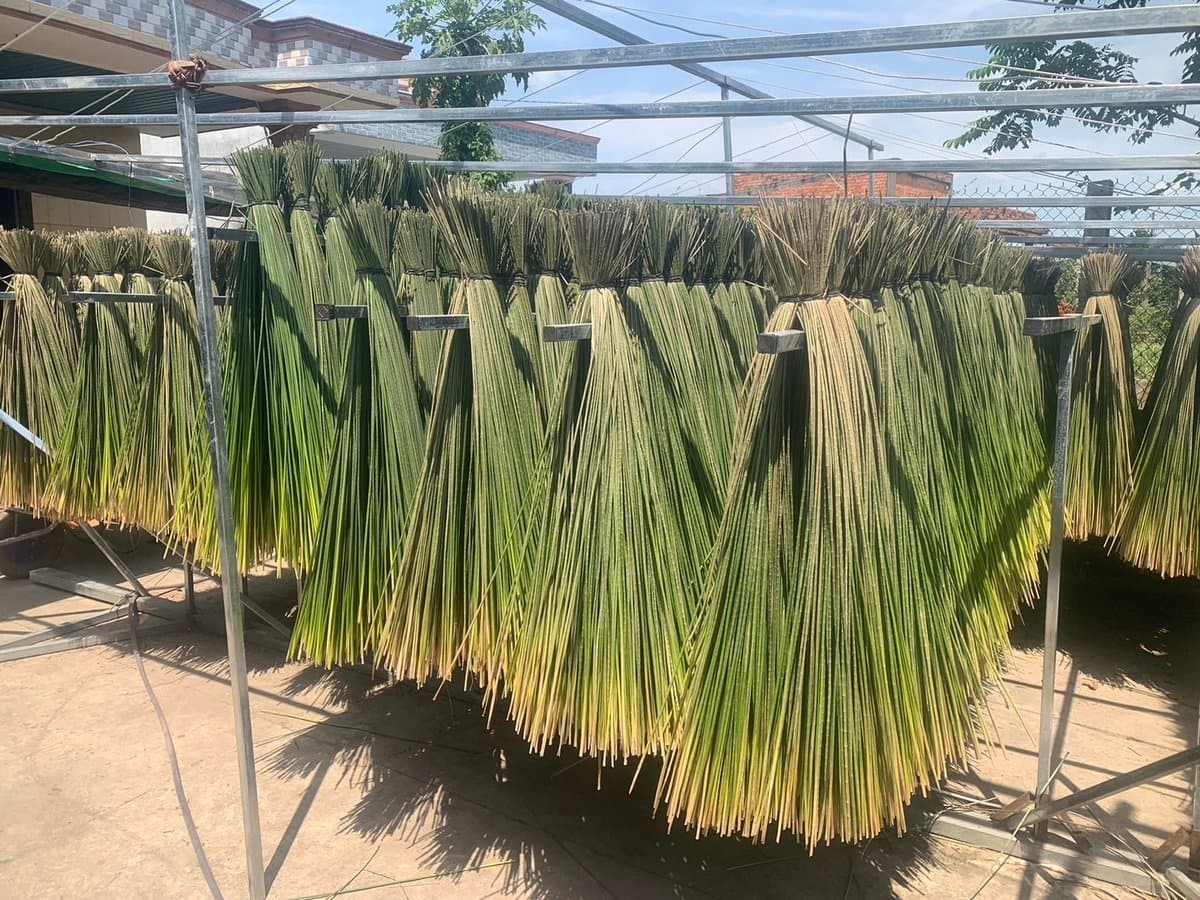
The crop is grown no-till. Straws then follow this sequence: rinse, dry, cut, clean the inner wall, soak, dehydrate, disinfect, bag, ozone, and carton.
- 01
Rinse
Wash the raw stems and clear surface soil.
- 02
Sun and air dry
Dry in the sun or in open air to bring the moisture down.
- 03
Cut
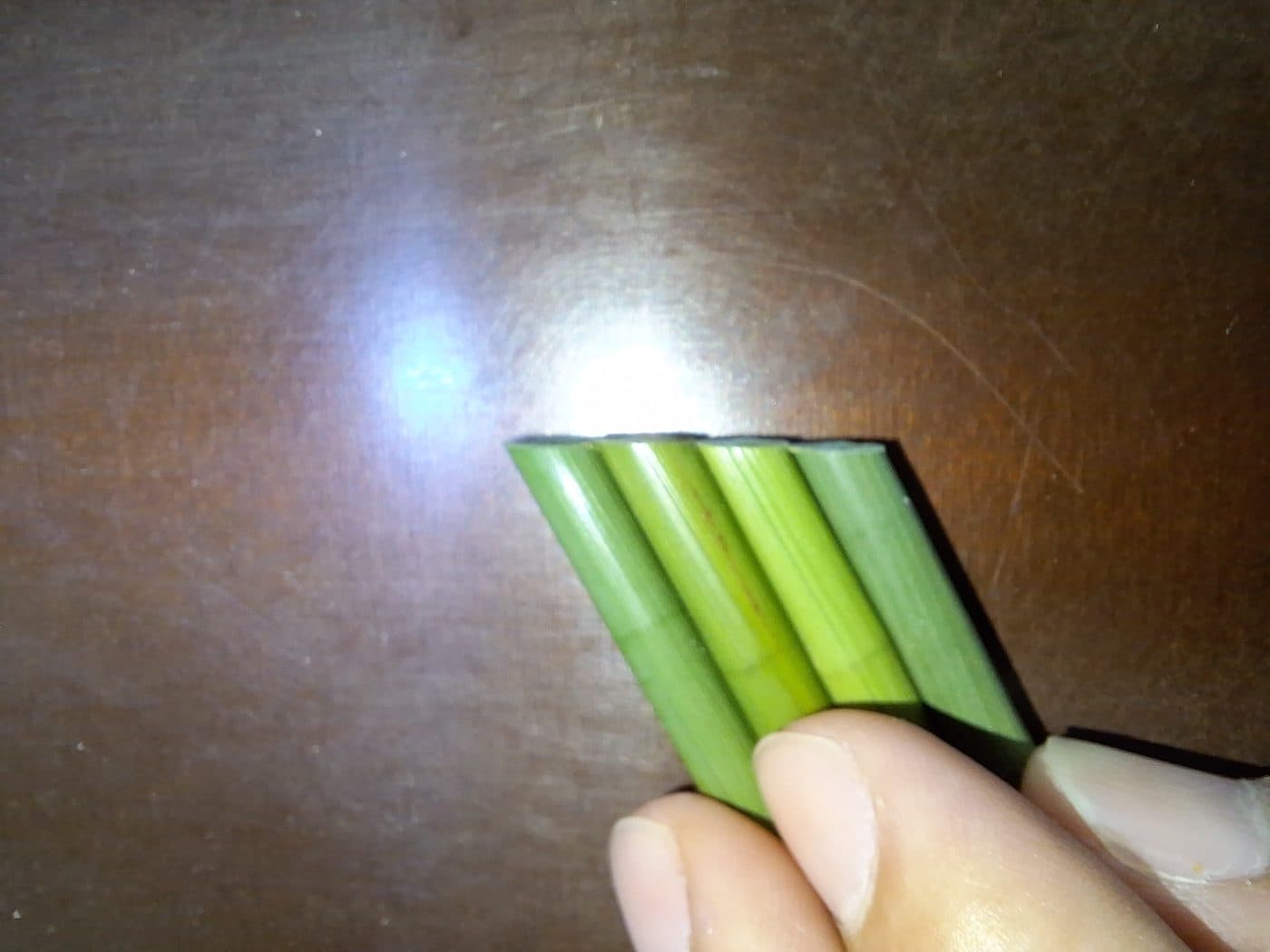
Cut to a common length of about 20 cm.
- 04
Clean the inner wall
Clear the inside of the stem so the channel stays open.
- 05
Rinse and soak
Rinse again, then soak.
- 06
Dehydrate
Dehydrate at 98°C until moisture is under 10%.
- 07
UV disinfection
Disinfect with ultraviolet light.
- 08
Bag and anti-mold
Bag the straws and add anti-mold treatment.
- 09
Ozone
Treat once more with ozone.
- 10
Carton
Pack into cartons, ready to ship.
What that means in practice
The crop is grown no-till, so the soil is turned less and the wetland plant keeps growing. After use it can go out with kitchen waste or compost, and in a suitable setting it breaks down in about 3–6 months. It stands in for a single-use plastic straw.
Ask us about supply
Process questions, volume, and delivery can go by WhatsApp or the form.